




Every September my phone starts buzzing with the same message: "My skin looks so tired after summer. What should I do?"
The honest answer is that October is the best month of the year to fix it. Summer gave you the glow and the fun, and it also left behind uneven tone, new dark spots, dullness and dehydrated skin. Fall is when we get to repair all of that, safely, with treatments that would be riskier in July.
Why fall is the best time for peels and resurfacing
Most of the treatments that give the biggest change in your skin work by removing old, damaged layers or by creating controlled micro injuries that make the skin rebuild itself. Both leave the new skin temporarily more sensitive to the sun.
The Associated Skin Care Professionals put it plainly: a peel temporarily lowers the skin's natural UV protection, and sun exposure after a peel can slow healing and increase complications, especially for pigmentation prone skin. In summer, you are fighting the sun the whole time you heal. In fall, the days are shorter, the sun is weaker, and you spend more time indoors, so the skin gets to recover properly.
Fall in three sentences
- Weaker sun means less risk of dark marks while your skin heals.
- Starting now gives a treatment series time to work before the holidays.
- Anything you start in October is finished before next summer's sun comes back.
What summer actually did to your skin
Before choosing a treatment, it helps to know what you are treating. After a New Jersey summer, I usually see four things:
- Dark spots and uneven tone. Sun triggers melanin, and it shows up as new spots, freckles that got darker, and patches on the cheeks and upper lip.
- Dullness and rough texture. Dead skin cells build up from heat, sweat, sunscreen and pollution, and the skin loses its light reflecting smoothness.
- Dehydration. Air conditioning, pools and sun leave skin tight and thirsty even if it looks oily.
- Congested pores and breakouts. Heat and humidity are hard on oily and acne prone skin.
My October treatment plan, by concern
Dark spots and uneven tone: start a peel series
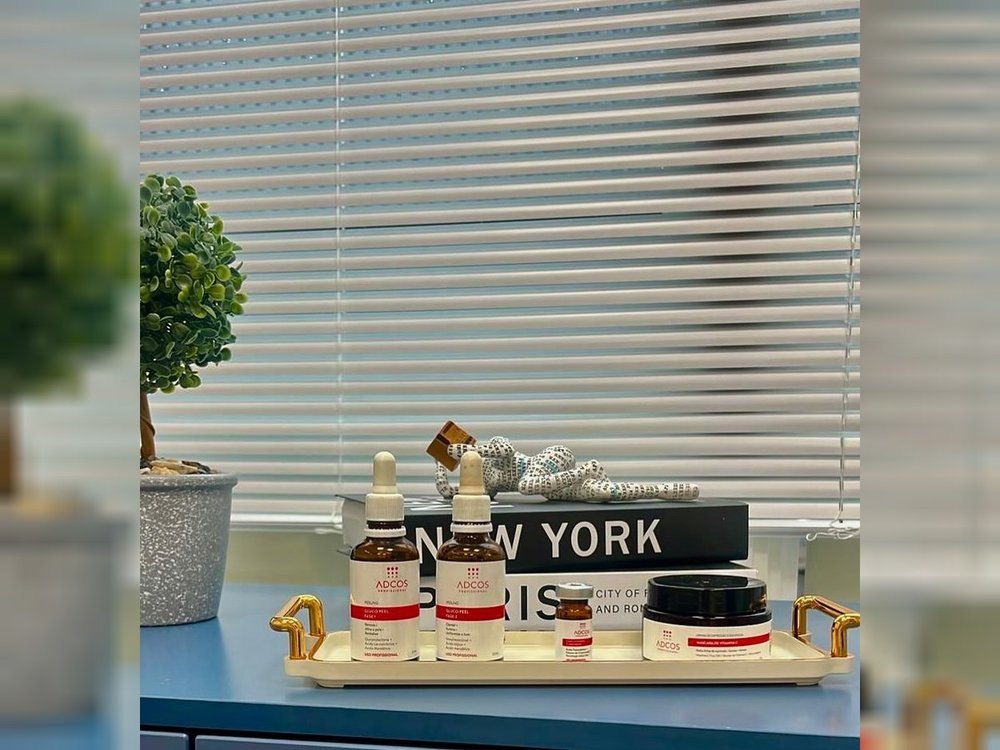
A professional chemical peel is the classic fall treatment. It lifts the top layers of sun damaged skin so the brighter, more even skin underneath comes through. The American Academy of Dermatology notes that light peels usually heal in one to seven days and that three to five may be needed, repeated every two to five weeks.
That spacing is exactly why October matters. Start now, and a series of three or four peels is done by December, right in time for holiday photos. Peels start at $100 at my studio.
Dullness with no downtime: the Hollywood Peel
If you have an event coming up and cannot afford a single day of flaking, the Hollywood Peel is the one I recommend. It is a carbon laser facial that brightens, refines pores and gives an instant glow, and you walk out ready for the day. Starting at $150.
Rough texture, pores and acne scars: microneedling
When the concern is texture rather than surface color, microneedling with exosomes goes deeper. It creates tiny controlled channels in the skin that prompt it to rebuild collagen, which is how texture, enlarged pores and old acne scars soften over a series of sessions. Because it also leaves skin sensitive while it heals, fall is its season too. Starting at $250.
Loss of firmness: HIFU and Morpheus8
Fall is also a good time to plan tightening treatments, since collagen keeps building for weeks after each session. If you are deciding between them, my comparison of Morpheus8 vs HIFU walks through which one fits which face.
Smooth skin by next summer: start laser hair removal now
This is the one people always wish they had started earlier. Laser hair removal works best on skin that is not tanned, and the American Academy of Dermatology advises keeping treated skin out of direct sun. Most people need several sessions spaced four to six weeks apart. Start in October and you are finished, or very close, by the time shorts season comes back. I cover the full timeline in how many laser hair removal sessions you really need.

A simple fall calendar
| When | What |
|---|---|
| Early October | Consultation, first peel or Hollywood Peel, first laser hair removal session |
| Late October to November | Second and third peel, first microneedling if texture is a concern |
| November to December | Final peel of the series, next laser session, holiday glow treatment |
| January to March | Continue laser and microneedling while the sun is still weak |
Your at-home routine for fall
- Switch to a gentler cleanser and a richer moisturizer. Cooler, drier air pulls water out of the skin.
- Pause strong actives before a treatment. Retinol and acids usually stop a few days before a peel. I will tell you exactly when at your consultation.
- Keep your sunscreen. This is the one people drop in October, and it is the biggest mistake.
Sunscreen does not go on vacation in October
The American Academy of Dermatology notes that up to 80 percent of the sun's harmful UV rays can get through clouds, and it recommends a broad spectrum sunscreen with SPF 30 or higher every day on skin that is not covered. After a peel or laser, that rule matters even more, because new sun exposure is what creates the very spots we are working to clear. And yes, this includes medium and deep skin tones. Melanin is a partial filter, not a sunscreen.
If you have a deeper skin tone or you tend to get dark marks after a breakout, tell me at your consultation. It changes which peel I choose and how strong it is, and aftercare becomes the most important part of the result.
Start your October plan
This October, every treatment at the studio is 15% off for our Halloween Sale, which makes it the easiest month of the year to start a series. Consultations are free, and I will build a plan around your skin, your schedule and your budget.
The studio is at 520 Ferry Street in the Ironbound, Newark. See every treatment and price on the services page, or message me on WhatsApp to book.
Sources
- American Academy of Dermatology: Chemical peels FAQs
- American Academy of Dermatology: Laser hair removal FAQs
- American Academy of Dermatology: Sunscreen FAQs
- Associated Skin Care Professionals: Can estheticians safely perform peels in warm weather?
This article is general information from a licensed medical aesthetician, not medical advice. If you have a skin condition, are pregnant, or take medication that makes your skin sensitive to light, talk to your doctor before any treatment.


